

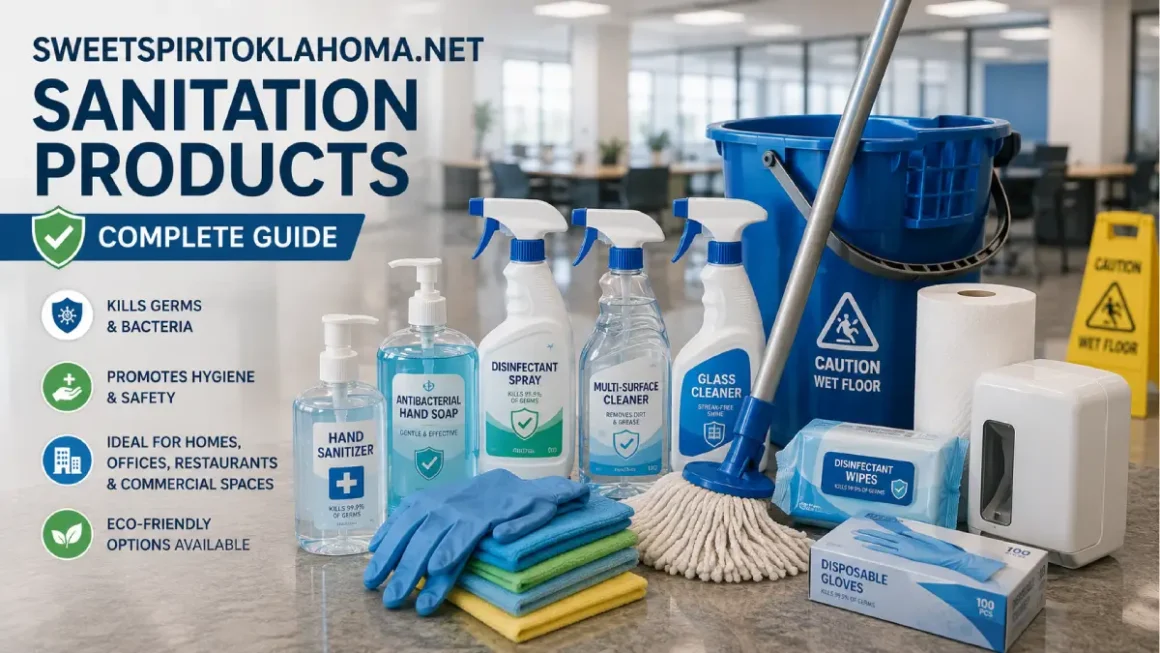
Sanitary systems are necessary to be able to live in safe and healthy conditions in businesses, homes, offices, industries, hospitals and educational and culinary facilities. Hygiene solutions help to keep germs from multiplying in these places of work, help to prevent accidents, and make work and professional sites meet the hygiene criteria.
Many users search for SweetSpiritOklahoma.net sanitation products to learn whether the website offers cleaning supplies or to find information about sanitation solutions. According to information readily accessible online, SweetSpiritOklahoma.net is not specifically a sanitation product supplier, but rather an affiliate/product representation of Sweet Spirit Foods, a food manufacturing company located within Oklahoma.
If you happen to be shopping for cleaning supplies or equipment, please consider checking both products and services thoroughly before selecting any company you buy from.
This guide offers an overview of the type of products that fall into this classification, various products that comprise these types of sanitizers and cleaners, what role they play across industries, and how to differentiate when selecting the most high-grade products available.
Table of Contents
What Are Sanitation Products?
Sanitation crops are defined as those that are envisioned to: Clean. Disinfect. Deodorize.
Maintain a well standard of cleanliness.
Sanitize Remove filth, grease, dirt, dust, grease, bacteria, Mold and infectious material from a space, surface, or piece of equipment, for example.
These products are commonly used in:
- Homes
- Hospitals
- Restaurants
- Hotels
- Schools
- Manufacturing facilities
- Warehouses
- Food processing plants
- Offices
- Retail stores
Proper hygiene contributes to healthier environments and cares public health.
Why Are Sanitation Products Important?
Clean environments benefit both individuals and organizations.
Major benefits include:
- Reducing the spread of germs
- Improving workplace hygiene
- Supporting food safety
- Protecting employees and customers
- Meeting health regulations
- Extending equipment life
- Creating a cleaner appearance
- Improving indoor air quality
Regular cleaning combined with appropriate sanitation practices helps minimize contamination risks.
Types of Sanitation Products
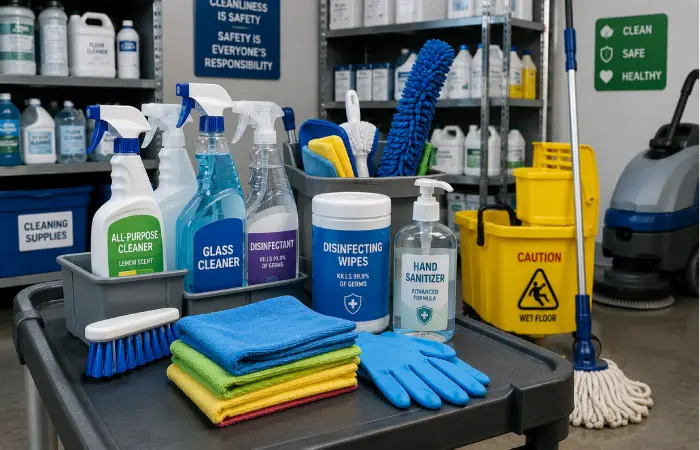
Different environments require different cleaning solutions.
1. Surface Cleaners
These products remove dust, grease, fingerprints, and everyday dirt from:
- Tables
- Desks
- Glass
- Counters
- Floors
- Kitchen surfaces
They are commonly used in both homes and commercial spaces.
2. Disinfectants
Disinfectants are formulated to eliminate many harmful microorganisms on hard, non-porous surfaces when used according to label instructions.
Common applications include:
- Hospitals
- Clinics
- Schools
- Kitchens
- Public restrooms
- Office buildings
Always follow the manufacturer’s directions for safe and effective use.
3. Hand Hygiene Products
Personal hygiene products include:
- Hand soap
- Hand sanitizer
- Hand wash stations
- Moisturizing soap
- Antibacterial liquid soap
These products help reduce the transfer of germs, especially in high-traffic environments.
4. Paper Hygiene Products
Examples include:
- Paper towels
- Toilet tissue
- Facial tissues
- Disposable wipes
- Napkins
Paper products are essential for maintaining cleanliness in commercial and public facilities.
5. Waste Management Supplies
Maintaining sanitation also involves proper waste disposal.
Common products include:
- Trash bags
- Recycling bins
- Medical waste containers
- Garbage bins
- Compost containers
Proper waste management helps reduce odors and contamination.
6. Cleaning Equipment
Many sanitation tasks require specialized equipment, such as:
- Mops
- Buckets
- Floor scrubbers
- Vacuum cleaners
- Spray bottles
- Microfiber cloths
- Pressure washers
- Steam cleaners
Using the right equipment improves cleaning efficiency.
Industries That Depend on Sanitation Products
Sanitation products are used across a wide range of industries.
| Industry | Common Sanitation Products |
| Healthcare | Hospital disinfectants, gloves, sanitizers |
| Restaurants | Food-safe cleaners, degreasers |
| Hospitality | Bathroom cleaners, laundry products |
| Education | Surface disinfectants, wipes |
| Manufacturing | Industrial cleaners, floor scrubbers |
| Retail | Glass cleaners, hand sanitizer stations |
| Offices | Multi-surface cleaners, paper towels |
Each industry has unique cleaning requirements based on safety standards and daily operations.
Residential vs Commercial Sanitation Products
Residential products are designed for everyday household cleaning, while commercial products are formulated for higher usage and larger spaces.
| Residential | Commercial |
| Smaller packaging | Bulk packaging |
| Lower concentration | Professional-strength formulations |
| Home use | Business and industrial use |
| General cleaning | Heavy-duty applications |
| Consumer-focused | Workplace compliance and efficiency |
Choosing the right product depends on where it will be used and the cleaning requirements involved.
How to Choose Quality Sanitation Products
When selecting sanitation products, consider the following factors:
Cleaning Purpose
Identify whether you need products for:
- General cleaning
- Disinfection
- Food preparation areas
- Healthcare settings
- Industrial equipment
Surface Compatibility
Different surfaces require different cleaning agents.
Examples include:
- Stainless steel
- Glass
- Wood
- Ceramic
- Plastic
- Vinyl
- Stone
Using the wrong product may damage certain materials.
Safety Information
Read product labels carefully and follow all usage instructions.
Look for:
- Hazard warnings
- Storage instructions
- Dilution guidelines
- First-aid information
- Protective equipment recommendations
Environmental Considerations
Many organizations now prefer:
- Biodegradable cleaners
- Low-VOC products
- Recyclable packaging
- Concentrated formulas that reduce waste
These options may help lower environmental impact while maintaining cleaning performance.
Best Practices for Safe Use
To maximize effectiveness and safety:
- Wear protective gloves when recommended.
- Never mix cleaning chemicals unless the manufacturer explicitly states it is safe.
- Store products away from children and pets.
- Keep containers tightly sealed.
- Follow dilution instructions carefully.
- Ensure adequate ventilation during use.
Safe handling protects both users and the environment.
Common Mistakes to Avoid
Avoid these frequent sanitation errors:
- Using too much product
- Ignoring contact times for disinfectants
- Mixing incompatible chemicals
- Using expired products
- Cleaning with dirty cloths or mops
- Failing to read product instructions
- Storing chemicals improperly
Good cleaning practices are just as important as choosing the right products.
Advanced Sanitation Technologies
Modern sanitation is no longer limited to basic soaps and disinfectants. Businesses increasingly use advanced technologies to improve cleaning efficiency, reduce chemical waste, and maintain consistent hygiene standards.
Some of the latest sanitation solutions include:
Electrostatic Sprayers
Electrostatic sprayers electrically charge disinfectant droplets so they adhere more evenly to surfaces. They are commonly used in:
- Hospitals
- Schools
- Hotels
- Airports
- Office buildings
They help cover hard-to-reach areas more efficiently than traditional spray bottles.
UV-C Disinfection
Ultraviolet-C (UV-C) technology is used in some commercial settings to reduce microorganisms on certain surfaces and equipment.
Common applications include:
- Healthcare facilities
- Laboratories
- Hotels
- Public transportation
- Food preparation areas
UV-C equipment should only be used according to manufacturer safety instructions.
Steam Cleaning
Steam cleaning uses high-temperature steam instead of harsh chemicals.
Advantages include:
- Minimal chemical usage
- Deep cleaning capability
- Suitable for many hard surfaces
- Environmentally friendly
Many hotels and healthcare facilities use steam cleaning as part of their sanitation process.
Robotic Floor Cleaners
Large commercial facilities increasingly use autonomous floor-cleaning machines.
Benefits include:
- Consistent cleaning schedules
- Reduced labor requirements
- Efficient water usage
- Better coverage in large facilities
Eco-Friendly Sanitation Products
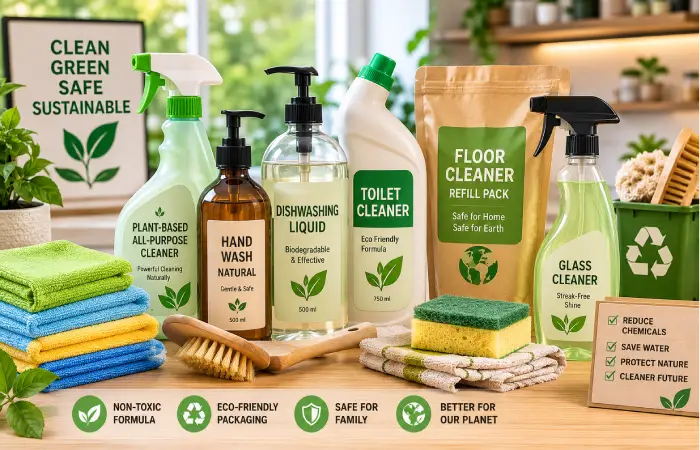
Sustainability has become a major factor when selecting cleaning products.
Many organizations now choose environmentally conscious alternatives such as:
- Plant-based cleaners
- Biodegradable detergents
- Phosphate-free products
- Recyclable packaging
- Refillable cleaning systems
- Concentrated cleaning solutions
These products can help reduce environmental impact while supporting effective cleaning routines.
Food Industry Sanitation Requirements
Food safety depends heavily on proper sanitation.
Food businesses commonly use:
- Food-safe surface sanitizers
- Equipment cleaners
- Floor degreasers
- Handwashing stations
- Disposable gloves
- Color-coded cleaning tools
Maintaining sanitation helps reduce contamination risks and supports safe food preparation. For more related articles visit our website
Healthcare Facility Cleaning Standards
Hospitals and clinics require stricter sanitation procedures than most other environments.
Healthcare cleaning typically includes:
- High-level disinfectants
- Disposable cleaning materials
- Medical waste containers
- Isolation room cleaning procedures
- Frequent disinfection of high-touch surfaces
Examples of high-touch areas include:
- Door handles
- Bed rails
- Light switches
- Waiting room furniture
- Medical equipment
Restaurant and Hospitality Sanitation
Restaurants and hotels rely on sanitation products every day.
Typical cleaning supplies include:
- Kitchen degreasers
- Glass cleaners
- Bathroom disinfectants
- Laundry detergents
- Air fresheners
- Floor cleaners
- Hand soap dispensers
Regular cleaning helps create a safer and more pleasant experience for guests.
Choosing a Reliable Sanitation Product Supplier
Whether buying for a home or business, consider these factors before choosing a supplier.
Product Quality
Look for products with:
- Clear ingredient information
- Safety instructions
- Appropriate certifications where applicable
- Reliable customer support
Product Range
A dependable supplier should offer products across multiple categories, such as:
- Surface cleaners
- Floor care
- Restroom supplies
- Waste management
- Personal hygiene products
- Cleaning tools and equipment
Availability
Businesses benefit from suppliers that maintain consistent stock levels and timely delivery.
Customer Reviews
Read independent reviews to understand product quality, durability, and customer service before making large purchases.
Tips for Buying Sanitation Products Online
When purchasing sanitation products online:
- Buy from reputable retailers.
- Read product descriptions carefully.
- Check product specifications.
- Compare sizes and concentrations.
- Review shipping policies.
- Verify return options.
- Confirm compatibility with your intended use.
Avoid purchasing products that provide unclear safety information or make unrealistic performance claims.
Common Buying Mistakes
Many buyers make simple mistakes that increase costs or reduce cleaning effectiveness.
Avoid:
- Buying solely based on price
- Ignoring product labels
- Choosing products unsuitable for the surface
- Purchasing excessive quantities without proper storage
- Mixing incompatible cleaning chemicals
- Forgetting to compare concentration levels
Making informed purchasing decisions often saves money over time.
Future Trends in Sanitation Products (2026 and Beyond)
The sanitation industry continues to evolve with innovations focused on safety, sustainability, and automation.
Emerging trends include:
- Eco-friendly cleaning formulas
- Smart dispensing systems
- Touchless hygiene equipment
- AI-assisted cleaning schedules
- Refillable packaging systems
- Robotics for commercial cleaning
- Water-efficient sanitation technologies
- Digital inventory management for janitorial supplies
These developments aim to improve efficiency while reducing environmental impact.
Why Product Quality Matters
High-quality sanitation products provide several advantages:
- Better cleaning performance
- Consistent results
- Improved workplace safety
- Reduced product waste
- Lower long-term maintenance costs
- Greater user confidence
Choosing reliable products helps maintain cleaner environments across homes and businesses.
Frequently Asked Questions
What are sanitation products?
Sanitation products are cleaning and hygiene supplies designed to remove dirt, reduce contamination, and maintain clean environments in homes, businesses, and public facilities.
Are sanitation products the same as disinfectants?
No. Cleaning products remove dirt and debris, while disinfectants are intended to reduce or eliminate specific microorganisms on appropriate surfaces when used correctly.
Which industries use sanitation products?
Healthcare, hospitality, education, food service, manufacturing, retail, offices, and residential households all rely on sanitation products.
How should sanitation chemicals be stored?
When stored following to make Directions the stuff must generally be saved in cool, dry, & nicely ventilated place, at intervals from food kids along with conflicting chemicals.
Does SweetSpiritOklahoma.net specialize in sanitation products?
According to public domain data, http://SweetSpiritOklahoma.net is primarily a food business and not a sanitation product retailer. Always double-check web sites to be sure about what is being offered currently.
Conclusion
Sanitation supplies are related in the promotion of hale and hearty, safe, & clean surroundings in houses, offices, hospitals & workplaces. Each type of supply-be it superficial cleaning and sterilizing solutions, trash management, or janitorial machinery-offers unique contributions to minimizing exposure and promoting appropriate sanitation.
For example, a janitorial supply that can be seen as having a connection with a web domain like SweetSpiritOklahoma.net should always be checked with official sources regarding currently offered products so that there should be absolutely no false assumptions made concerning janitorial supply services in general.